
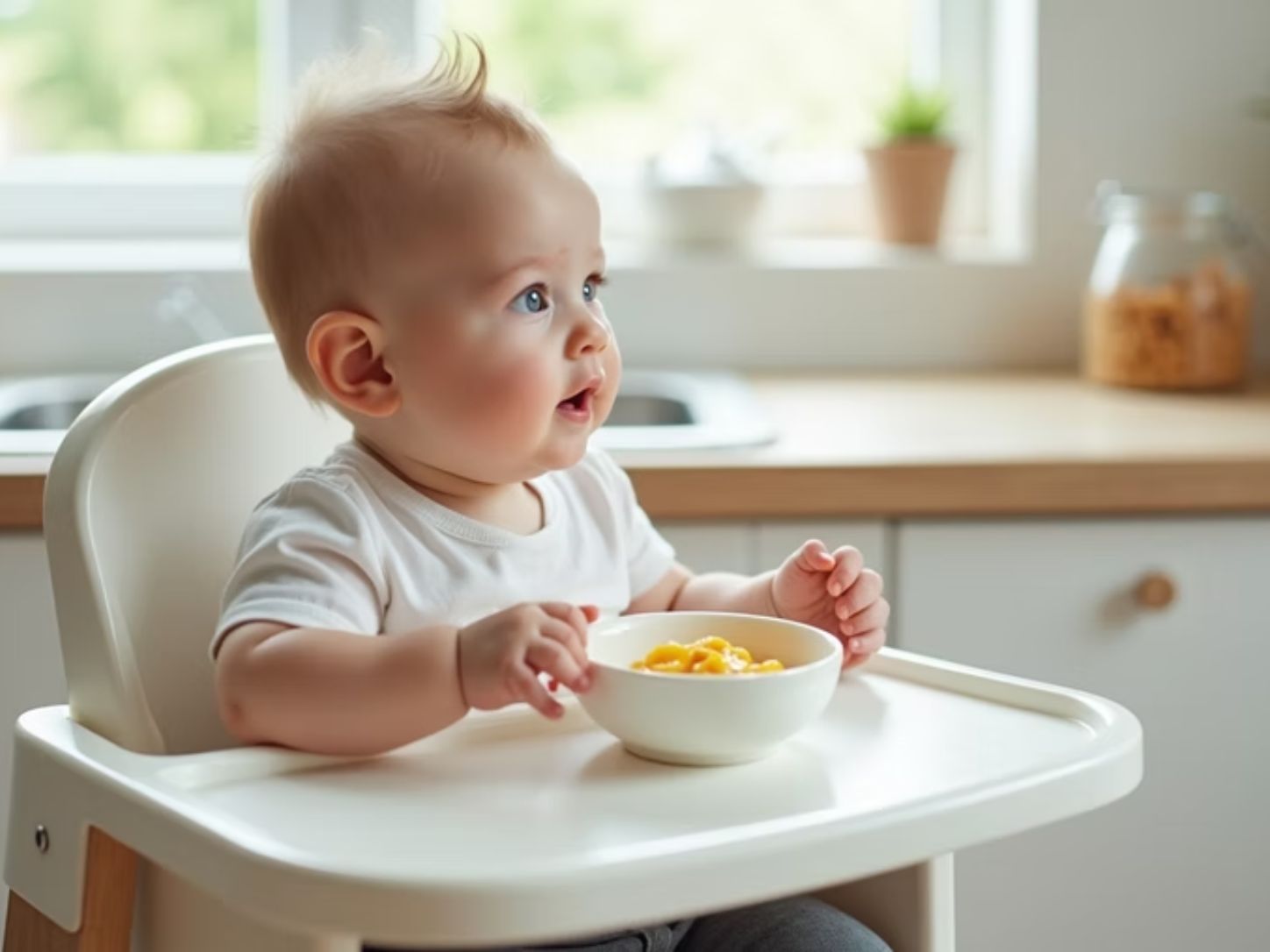
Essential Guide to Your Baby's First Day of Weaning: When How to Prepare and What to Expect
Starting your baby’s journey with solid foods is an exciting milestone. The first day of weaning can feel overwhelming, but knowing when to start, how to prepare, and what to expect will help you feel confident and ready. This guide breaks down everything you need to know about your baby’s first day of weaning, including the best sitting position and realistic expectations for your little one.

Most experts recommend starting weaning around 6 months of age. At this point, babies usually develop the necessary motor skills and digestive readiness for solid foods. Signs your baby is ready include:
-
Good head and neck control
-
Ability to sit with minimal support
-
Showing interest in food, such as reaching for your plate
-
Losing the tongue-thrust reflex that pushes food out of the mouth
Starting too early can increase the risk of choking and allergies, while starting too late may delay important developmental skills. If you’re unsure, consult your pediatrician for personalized advice.
How to Prepare for the First Day
Preparation helps the first day go smoothly. Here are some practical steps:
-
Choose the right time: Pick a calm part of the day when your baby is not too tired or hungry. Mid-morning or early afternoon often works well.
-
Select simple foods: Start with single-ingredient purees like mashed banana, cooked carrot, or rice cereal. Avoid salt, sugar, and honey.
-
Gather supplies: Use a small spoon with a soft tip, a high chair or secure seat, a bib, and a bowl or plate. Have wipes or a damp cloth handy for messes.
-
Dress your baby appropriately: Choose clothes that are easy to clean or use a bib that covers the chest and shoulders.
-
Create a calm environment: Minimize distractions like TV or loud noises to help your baby focus on eating.
The Best Sitting Position for Weaning
Proper sitting position is crucial for safety and comfort during feeding. Your baby should be:
-
Upright and supported: Use a high chair with a footrest or a secure seat that keeps your baby sitting straight. This position helps prevent choking and aids digestion.
-
Stable and secure: Make sure the baby cannot slump or slide down. Use straps if available.
-
Close to you: Sitting close allows you to observe reactions and offer encouragement.
Avoid feeding your baby while lying down or in a reclining position. This can increase the risk of choking and make swallowing difficult.
How Much to Expect on the First Day
It’s important to have realistic expectations. The first day of weaning is mostly about exploration, not nutrition. Your baby may:
-
Take only a few spoonfuls or even just lick the food
-
Make faces or spit food out as they get used to new textures and tastes
-
Show curiosity or hesitation
Babies still get most of their nutrition from breast milk or formula during this phase. The goal is to introduce new flavors and practice eating skills gradually.
What to Expect After the First Feeding
After the first feeding, you might notice:
-
Messiness: Expect food on the face, hands, and high chair tray. This is normal and part of learning.
-
New reactions: Your baby may smile, frown, or show surprise at new tastes.
-
Digestive changes: Some mild constipation or loose stools can occur as the digestive system adjusts.
-
No immediate hunger changes: Your baby will still rely on milk for most calories.
If you see signs of allergy such as rash, vomiting, or swelling, stop feeding the new food and consult your pediatrician.
Tips for a Successful First Day
-
Be patient and relaxed: Your calm attitude helps your baby feel safe and willing to try new foods.
-
Offer small amounts: Start with half a teaspoon to one teaspoon of food. Increase gradually over days.
-
Use a soft spoon: This protects your baby’s gums and makes feeding comfortable.
-
Watch for cues: If your baby turns away or closes their mouth, don’t force feeding.
-
Keep milk feeding routine: Continue breastfeeding or formula feeding as usual.
Final Thoughts on Starting Weaning
Weaning is a significant milestone in the journey of parenthood, marking the transition from exclusive breastfeeding or formula feeding to incorporating solid foods into a baby's diet. This process can be both exciting and challenging for parents, as it opens up a new world of flavors and textures for their little ones. As you prepare to embark on this journey, it is essential to consider several factors that can influence the success of weaning and ensure a smooth transition for both you and your baby.
An important aspect to consider is the nutritional balance of the foods being introduced. Ensuring that your baby receives a well-rounded diet that includes fruits, vegetables, grains, and proteins is vital for their growth and development. As you navigate this new phase, consulting with a pediatrician or a nutritionist can provide valuable guidance on appropriate food choices and portion sizes.
Furthermore, creating a positive mealtime environment can significantly impact your baby's attitude towards food. Family meals can foster a sense of togetherness and encourage your child to explore new foods in a relaxed setting. Involving your baby in the eating process, whether through self-feeding or simply being present at the table, can enhance their interest in various foods and promote healthy eating habits from an early age.
As you move forward with weaning, it is also essential to remain flexible and adaptable. Each baby's journey is different, and you may encounter challenges such as food allergies, digestive issues, or simply a refusal to eat certain foods. Being open to adjusting your approach and trying again later can help alleviate stress and frustration, both for you and your baby.
In conclusion, starting the weaning process is an exciting yet complex phase of parenting that requires careful consideration, patience, and a willingness to adapt. By paying attention to your baby's readiness, introducing a variety of nutritious foods, and fostering a positive eating environment, you can help ensure a successful transition to solid foods. Embrace this journey with an open mind, and remember that it is a gradual process that will ultimately contribute to your child's healthy development and relationship with food.